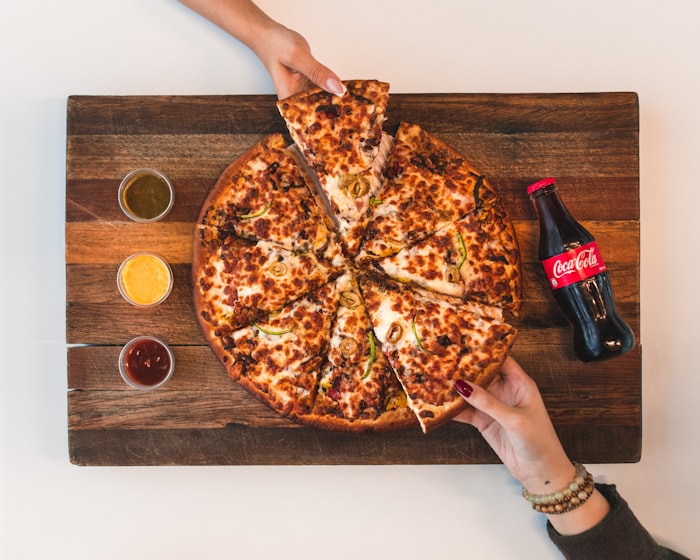
How Pizza Delivery Works

From the moment your pizza enters the oven to the moment it arrives at your door โ€” a complete, transparent guide to everything that happens in the pizza delivery process, and how to maximize the experience at every stage.

What Makes a Great Pizza Delivery Experience?

Pizza delivery has evolved from a simple convenience into a refined logistical art. The best delivery experiences combine precise preparation timing, intelligent packaging technology, efficient routing, and the right pizza style for the journey ahead. Understanding each of these components helps you set the right expectations and make smarter choices about what to order.

The pizza you choose matters as much as any external delivery factor. Certain styles โ€” particularly classic hand-tossed and thin crust varieties โ€” are inherently better suited to the thermal and structural demands of delivery. Others, like deep dish, require more careful handling but reward patience with an unmatched eating experience.

This guide covers every stage of the delivery journey, explains what factors affect pizza quality in transit, and gives you the knowledge to always receive โ€” and enjoy โ€” a great delivery pizza.

Pizza being prepared for delivery

The Pizza Delivery Journey

Every great delivery pizza passes through this precise sequence of stages. Here's what happens behind the scenes from order to arrival.

๐Ÿงพ Order Placement & Confirmation

Your pizza selection is received and confirmed by the kitchen team. Order details are verified โ€” toppings, crust type, special instructions โ€” and a preparation queue slot is assigned. This stage typically takes 1โ€“3 minutes.

๐ŸŒก๏ธ Dough Preparation & Proofing

For fresh-dough pizzas, the correct portion of dough is selected and stretched or pressed to the required style and size. Hand-tossing produces a lighter, airy crust; pressed dough creates denser pan styles. Proofed dough at room temperature ensures optimal texture.

๐Ÿ… Sauce & Topping Application

Sauce is spread to the correct depth and margin. Toppings are applied in the right sequence โ€” cheese first for most American styles, sauce last for Chicago deep dish. Precise topping distribution ensures every slice is consistent and balanced.

๐Ÿ”ฅ High-Temperature Baking

Most delivery pizzas are baked between 450โ€“550ยฐF (230โ€“285ยฐC) for 8โ€“15 minutes. The high temperature creates the Maillard reaction that produces the characteristic golden-brown crust, bubbled cheese, and caramelized topping edges that define great pizza.

โœ‚๏ธ Slicing & Quality Check

The fresh-from-the-oven pizza is sliced precisely and inspected for quality โ€” proper color, cheese coverage, topping distribution, and structural integrity. Any pizza not meeting standards is remade at this stage.

๐Ÿ“ฆ Packaging for Delivery

The pizza is boxed in a ventilated corrugated box designed to manage steam and maintain crispiness. Stacking guards prevent lid contact with toppings. Insulated delivery bags maintain temperature during transport.

๐Ÿš— Dispatch & Routing

The packaged order is assigned to a delivery driver using optimized route planning. Modern delivery operations use GPS routing to minimize transit time โ€” the single most important factor in maintaining pizza quality at the point of receipt.

๐Ÿ  Arrival & Handoff

Your pizza arrives! Immediate serving delivers the best experience โ€” heat and crispiness are at their peak within 10โ€“15 minutes of arrival. For delayed serving, a warm (not hot) oven at 200ยฐF for 5 minutes restores quality beautifully.

โฑ๏ธ Typical Delivery Timeline

Order to Oven 3โ€“5 min
Baking Time 8โ€“15 min
Prep & Packaging 3โ€“5 min
Delivery Transit 15โ€“35 min
Total Average 30โ€“60 min
๐Ÿ”ฅ Temperature Tip

Pizza is at its absolute best served between 140โ€“160ยฐF (60โ€“71ยฐC). Serve immediately upon arrival or rest the box tilted slightly open to prevent steam buildup from softening the crust.

๐Ÿ”— Pair this knowledge with our How to Choose guide to select pizza styles that perform best for your specific delivery distance and conditions.

What Affects Pizza Quality During Delivery

Multiple variables influence how well a pizza maintains its quality between the oven and your table. Understanding these helps set the right expectations.

โฑ๏ธ

Transit Time

The single most impactful delivery variable. Every additional minute in transit reduces crust crispiness, cheese texture, and overall thermal quality. Shorter distances consistently produce better delivery experiences. When exploring pizza delivery options near you, proximity to the kitchen is the most important quality factor you can control as a consumer.

๐Ÿ“ฆ

Packaging Technology

Modern pizza boxes are engineering marvels. Corrugated cardboard with ventilation holes manages condensation, while insulated thermal delivery bags maintain external temperature. The box creates a microclimate that balances steam retention (for moisture) and ventilation (for crispiness). Premium operations use double-wall boxes for enhanced thermal insulation on longer routes.

๐Ÿฅ–

Crust Style & Thickness

Crust type is the most controllable delivery quality variable in your ordering decision. Thin crusts maintain crispiness exceptionally well. Classic hand-tossed crusts have excellent structural integrity and hold heat effectively. Deep dish crusts, while more thermally stable due to mass, require longer re-warming times if any cooling occurs. See our crust comparison table below.

๐ŸŒก๏ธ

Topping Moisture Content

High-moisture toppings โ€” fresh tomatoes, extra sauce, watery vegetables โ€” release steam during transit, which can soften crusts and dilute flavors if not properly managed. Well-prepared delivery pizzas balance moisture through sauce reduction, strategic topping placement, and adequate box ventilation. Fresh basil and arugula are added post-bake on premium pizzas to preserve their texture during delivery.

๐ŸŒค๏ธ

External Temperature & Weather

Cold weather and rain extend transit time and accelerate heat loss through packaging. Extreme heat creates the opposite problem โ€” insulated bags can trap too much steam. Seasonal awareness is useful: in winter, opt for thicker-crust pizzas that retain heat longer; in summer, thin crust maintains quality better in warm delivery conditions.

How Pizza Packaging Protects Quality

Modern pizza packaging is purpose-engineered to maintain quality during transit. Here's how each component works.

๐Ÿ“ฆ

Corrugated Pizza Box

Constructed from double-wall corrugated cardboard for structural strength and thermal insulation. Ventilation perforations on the sides and sometimes the top release excess steam, preventing crust sogginess while retaining sufficient heat for a warm delivery experience.

๐Ÿ›ก๏ธ

Insulated Delivery Bag

Thermal delivery bags line the interior with reflective foil insulation that reflects radiant heat back toward the pizza box. High-quality bags can maintain pizza temperatures within the safe serving range for up to 45 minutes โ€” far exceeding the typical delivery window for most urban routes.

๐Ÿ”ต

Stackable Support Discs

Small plastic or cardboard tripod supports placed on the pizza surface prevent the lid from resting on and disturbing the cheese and toppings during transit. This simple innovation dramatically improved delivery quality by eliminating the "lid press" problem that used to deform specialty and cheese-heavy pizzas.

๐ŸŒฌ๏ธ

Steam Venting Design

The most technically sophisticated aspect of modern pizza packaging. Strategically placed vents create a controlled airflow pattern that removes excess moisture vapor while retaining heat. The balance between venting (for crispiness) and insulation (for warmth) is carefully calibrated based on average regional delivery distances.

๐Ÿง‚

Sauce Container Separation

Dipping sauces, post-bake fresh toppings (arugula, fresh basil), and moisture-sensitive add-ons are packaged separately to prevent them from affecting the main pizza's texture during transit. This is particularly important for gourmet specialty pizzas featuring delicate fresh ingredients.

โ™ป๏ธ

Sustainable Packaging

Modern pizza operations increasingly use recycled and compostable packaging materials. Sugarcane fiber boxes and plant-based insulated bags are growing alternatives that maintain equivalent thermal performance while significantly reducing environmental impact throughout the delivery supply chain.

How Different Crusts Perform in Delivery

Each crust style has distinct delivery performance characteristics. Use this guide to match crust type to your expected delivery conditions.

Crust Type Heat Retention Crispiness After Transit Structural Integrity Best For Distance Delivery Rating
Thin / Roman Crust Moderate Excellent (stays crisp) Good (sturdy base) Short to Medium โ˜…โ˜…โ˜…โ˜…โ˜…
New York Hand-Tossed Very Good Very Good Excellent (foldable) Short to Long โ˜…โ˜…โ˜…โ˜…โ˜…
Classic Round Good Good Very Good Short to Medium โ˜…โ˜…โ˜…โ˜…โ˜†
Pan / Sicilian Thick Excellent Moderate (softens slightly) Excellent Medium to Long โ˜…โ˜…โ˜…โ˜…โ˜†
Chicago Deep Dish Excellent (thermal mass) Moderate Very Good Short to Medium โ˜…โ˜…โ˜…โ˜†โ˜†
Stuffed Crust Very Good Good Good Short โ˜…โ˜…โ˜…โ˜†โ˜†
๐Ÿฅ– Crust Choice Tip

For deliveries expected to take more than 30 minutes, always prefer a hand-tossed or pan-style crust over thin crust. The additional bread mass acts as a thermal buffer, keeping the pizza warmer for longer and absorbing less of the moisture that causes sogginess in thinner bases.

Delivery Pizza Do's & Don'ts

Simple habits that consistently improve your delivery pizza experience from ordering to the last slice.

โœ… Do These Things

Be ready to receive your order โ€” answer the door promptly to minimize door-waiting time and heat loss.
Open the box slightly for 60โ€“90 seconds upon arrival to release trapped steam, then serve immediately for maximum crispiness.
Reheat leftovers in a conventional oven or skillet rather than a microwave to restore crust texture beautifully.
Order specialty pizzas with fresh post-bake toppings (arugula, fresh basil) for optimal texture โ€” these are added separately and fresher.
Choose pizza styles appropriate for your delivery distance โ€” thin crust for short distances, hand-tossed for longer routes.
Keep the pizza box horizontal during receipt โ€” tilting damages cheese and topping distribution significantly.

โŒ Avoid These Mistakes

Don't stack multiple pizza boxes โ€” the weight of the top box compresses and damages the pizza beneath it.
Don't leave the pizza in a closed box for more than 10 minutes after arrival โ€” steam builds up and makes crusts soggy rapidly.
Don't microwave leftover slices โ€” the crust becomes rubbery and chewy. A cast iron skillet or oven restores quality perfectly.
Don't order deep dish or pan pizzas for delivery distances over 30 minutes โ€” they require extended re-warming times.
Don't order high-moisture toppings (extra fresh tomatoes, very wet vegetables) without requesting adequate sauce reduction.
Don't place the box on a cold surface immediately after receipt โ€” this accelerates heat loss from the base dramatically.

How to Reheat Delivery Pizza Perfectly

Great pizza doesn't have to end when the delivery arrives. These techniques restore leftover pizza to near-fresh quality.

๐Ÿณ

Skillet Method (Best)

Heat a dry cast iron or non-stick skillet over medium heat. Place slice in pan for 2 minutes until the bottom crisps, then add 2โ€“3 drops of water to the side of the pan and cover with a lid for 60 seconds. The steam melts the cheese while the base stays perfectly crisp. Best method for any crust type.

๐Ÿ”ฅ

Oven Method (Recommended)

Preheat oven to 375ยฐF (190ยฐC). Place slices directly on the oven rack or on a preheated baking stone for 5โ€“8 minutes. The direct heat from below recreates the pizzeria oven effect. A preheated stone is the single best way to restore the original crispiness to thin and hand-tossed crusts.

โšก

Air Fryer Method (Fastest)

Preheat air fryer to 325ยฐF (165ยฐC). Place slices in basket for 3โ€“4 minutes. The circulating hot air dries excess moisture and restores crispiness almost as effectively as the oven method in a fraction of the time. Ideal for thin crust and classic round pizza reheating.

โš ๏ธ Avoid the microwave for pizza reheating. Microwave energy excites water molecules in the bread structure, creating steam that gelatinizes the starch and produces a characteristic rubbery, soft crust texture. The cheese also tends to become greasy and grainy. The skillet method takes only 3 minutes and produces dramatically superior results.

Frequently Asked Questions About Pizza Delivery

Most pizza deliveries in urban and suburban areas take between 30โ€“45 minutes from order placement to doorstep arrival. This includes 12โ€“20 minutes of preparation and baking, 3โ€“5 minutes of packaging and dispatch, and 15โ€“25 minutes of transit time. Rural areas or peak-hour orders may extend this to 45โ€“75 minutes. The preparation time is largely fixed; transit time is the variable that most affects final quality.

Hand-tossed New York-style and pan/Sicilian thick-crust pizzas perform best over longer delivery distances. Their greater dough mass acts as a thermal buffer, retaining heat longer and absorbing moisture more gracefully than thin crusts. For distances exceeding 30 minutes, stick with classic hand-tossed or thick-crust options. Thin crust remains excellent for short-to-medium distances, while Chicago deep dish is best consumed close to the kitchen of origin.

Place the closed pizza box in an oven set to the lowest temperature (usually 170โ€“200ยฐF / 75โ€“95ยฐC) until ready to serve. Avoid opening the box until ready to eat โ€” each opening releases heat. Alternatively, place the sealed box on a preheated stone or cast iron surface, which radiates heat from below and maintains base temperature. Never store in a refrigerator immediately โ€” allow 20 minutes to cool to room temperature first, then refrigerate slices in an airtight container.

Sogginess in delivered pizza is almost always caused by one of three factors: excess sauce application, high-moisture toppings (fresh tomatoes, waterlogged vegetables), or inadequate box ventilation trapping steam. Ordering pizzas with light sauce application, well-cooked vegetables, and choosing a reputable operation with proper ventilated packaging significantly reduces sogginess. Opening the box for 60โ€“90 seconds immediately upon arrival also releases trapped steam before it has a chance to saturate the crust.

Pizza left at room temperature should be consumed within 2 hours of delivery for food safety reasons. The FDA's "danger zone" for bacterial growth in food is between 40ยฐFโ€“140ยฐF (4ยฐCโ€“60ยฐC). Refrigerated pizza is safe to consume within 3โ€“4 days when stored in an airtight container. Frozen pizza slices can be kept for up to 1โ€“2 months without quality degradation. Always reheat refrigerated or room-temperature pizza to an internal temperature of at least 165ยฐF (74ยฐC) before consuming.

Start with our comprehensive Pizza Menu guide to understand the full range of delivery-available styles. Then use our How to Choose section to match styles to your specific preferences, occasion, and group size. Understanding the variety landscape before exploring local options helps you recognize quality options and make more confident, satisfying choices from any delivery provider in your area.

Explore Your Pizza Delivery Options

Armed with delivery knowledge, you're ready to explore the full range of pizza varieties and find your perfect match.

๐Ÿ“

Serving Denver, CO  |  1801 California St, Denver, CO 80202  |  +1 (303) 628-7719